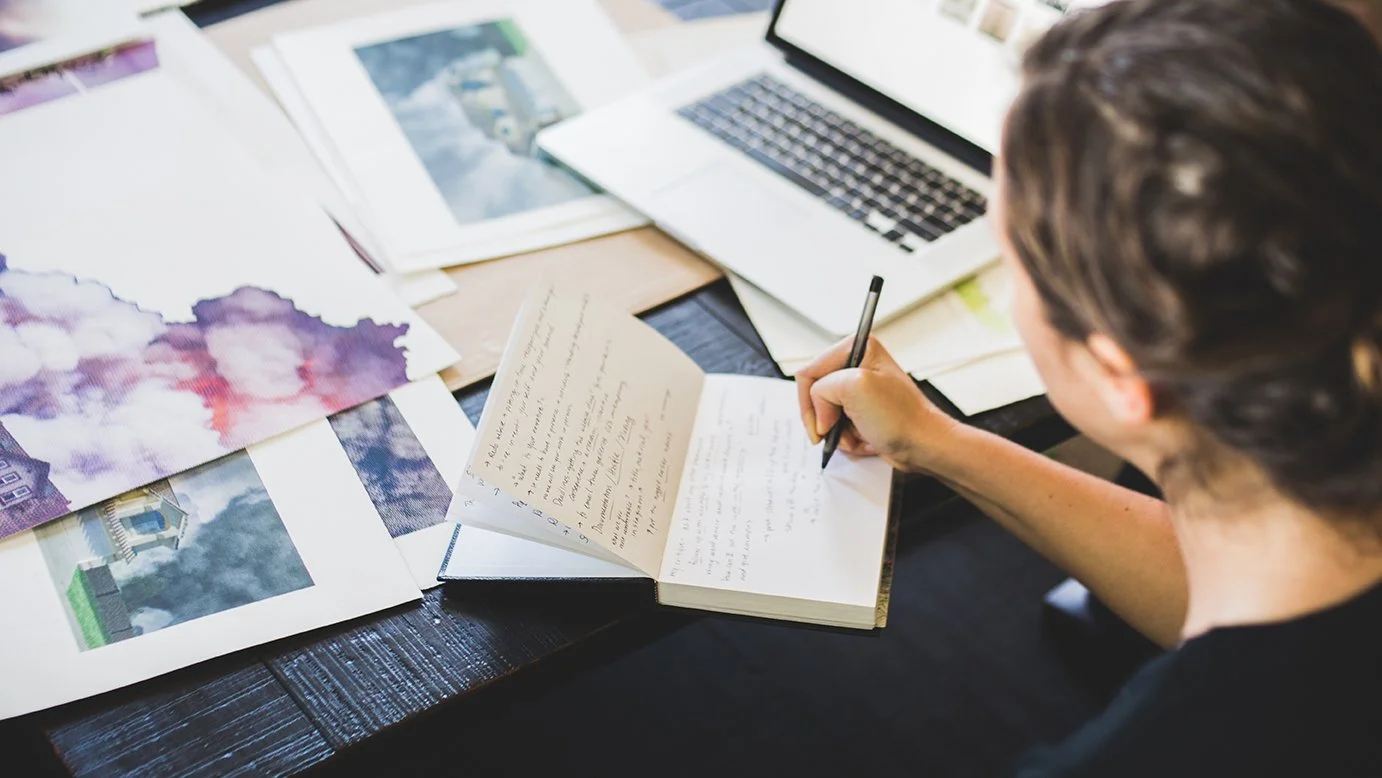
The Alternative Art School is a global online art school in dialogue with a visionary artist community.
TAAS connects you to hundreds of other artists working in all mediums, and offers access to established curators, world renowned artists and exhibition opportunities. Students are inspired and informed through regular artist/curator lectures with Q&As, studio visits and crits, group mentorship and shared resources.
● Our StoryWhy we built TAAS
Traditional art school costs anywhere from $40,000 to over $100,000, and that's before interest. You spend years in debt, often studying in isolation from the actual art world, learning from a fixed roster of instructors. If you can't afford it, don't live near a major city, or juggle multiple work/life priorities, the door is simply closed.
We built TAAS because that model is broken, and most artists know it.
TAAS was founded on a different premise: that the best art education happens in direct dialogue with working artists and curators, not in institutional silos.
TAAS brings together artists across 25+ countries with some of the most respected voices in contemporary art, not to hand out credentials, but to build practices. A global community of working artists, world-class curators, and rigorous thinkers, meeting you where you are, and growing with you.
Artists join TAAS for
Rigorous Critique & Feedback
Global Peer Community
Ongoing Artistic Dialogue
Expanded References & Discourse
Sustained Practice Momentum
Opportunities for Exchange & Visibility
From the Founder
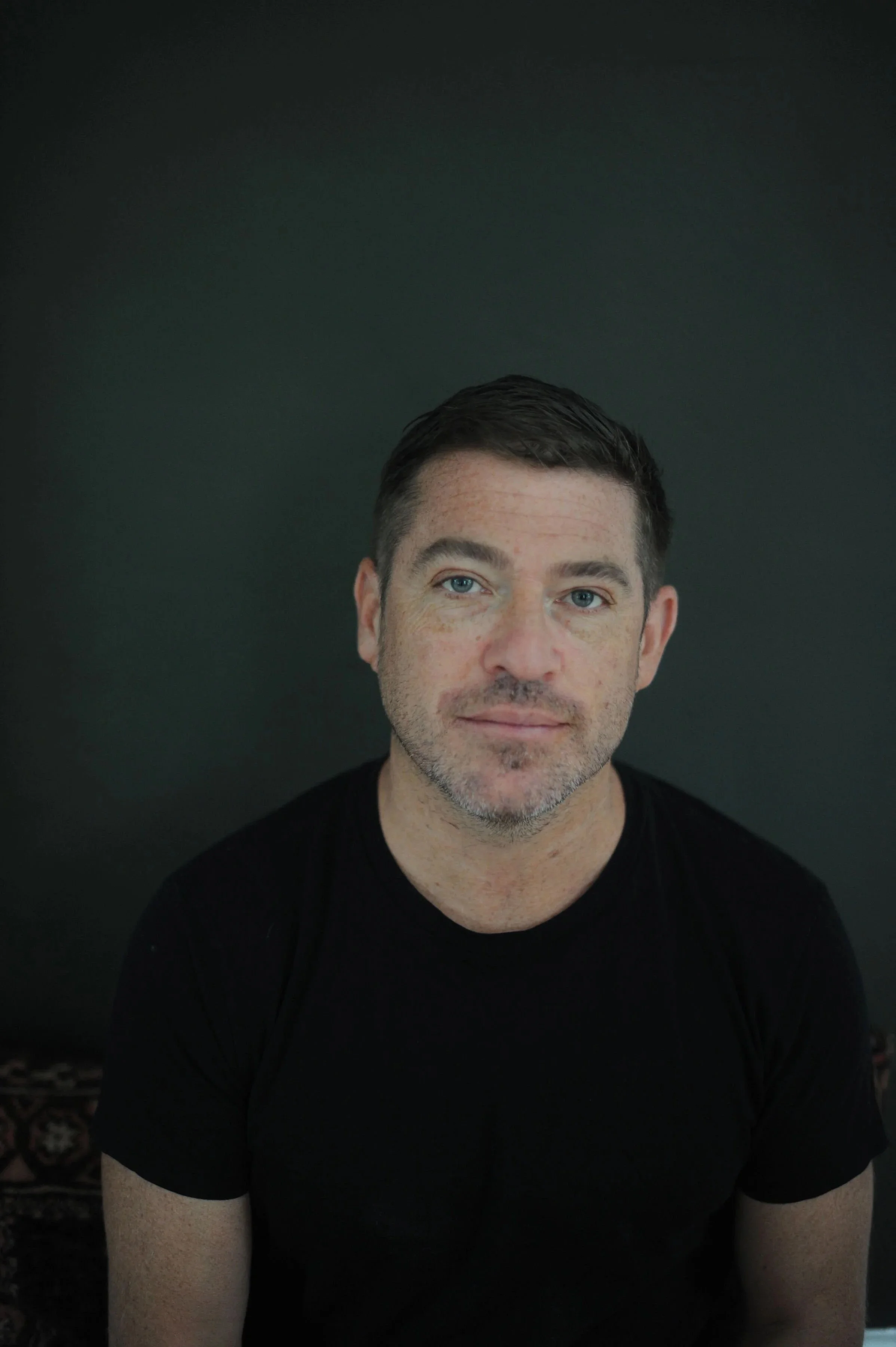
The Alternative Art School began in 2020, in the midst of the global pandemic. Artists everywhere suddenly found themselves separated from studios, classrooms, exhibitions, and communities. Yet the disruption also made visible something that had been unfolding for years. Many of the infrastructures that had long supported artistic life were already under strain. Art schools had become increasingly expensive, often placing education out of reach for many artists. Nonprofit art spaces were struggling to survive within fragile funding ecosystems. At the same time, the traditional pathways through the art world were narrowing even as the number of artists and the desire to make art continued to grow.
The Alternative Art School emerged as a response to this moment and these conditions. The question guiding its creation was straightforward: what would an art school look like if it were built around the realities artists actually live with today? Rather than centering a single campus or city, TAAS was designed to be global from the beginning. By using the internet as a gathering place, it became possible to bring artists together from many different countries who might otherwise never share a classroom. What began as a small experiment quickly grew into an international community of artists learning with and from one another, sharing ideas across time zones and across very different social and cultural contexts.
One of the most striking discoveries in the early months was who the community actually was. Many participants were not students hoping to enter the art world for the first time. They were working artists already deep inside their practice. They were people balancing studios with jobs, families, teaching, organizing, and the practical demands of daily life. Their experiences offered a more complex and honest picture of artistic life than the simplified narratives often told about careers in art. TAAS began building its programs around these lived realities rather than around idealized models of professional success.
The classes, workshops, and lectures that developed within the school focused less on mythology and more on practice. Conversations centered on sustaining artistic work over time, navigating institutions without being limited by them, and creating opportunities rather than waiting for them to appear. Artists shared knowledge across generations, geographies, and disciplines. Over time the school became not only a place for learning but also a place where artists could encounter one another as peers, discovering new perspectives on their work and new ways of imagining the role art might play in their lives.
Another principle soon became central to the school’s development: global equity. Because TAAS was conceived as an international community, it was important that participation not be limited by geography or financial resources. The school began offering fellowships to artists in different parts of the world, creating pathways for artists to participate regardless of their economic circumstances. These fellowships helped expand the network of artists and reinforced the idea that artistic knowledge grows through exchange across cultures and contexts.
Today The Alternative Art School exists as a distributed international community. Artists from many countries gather through the platform to learn, share work, develop ideas, and build relationships that extend far beyond individual classes. Rather than replicating the structures of traditional art education, TAAS has become part of a broader effort to imagine new infrastructures for artistic life. It is built on the belief that artists benefit from thinking together about the conditions of their work, supporting one another across distance, and collectively shaping new possibilities for what it means to make a life of art.
– Nato Thompson
Enroll Today
TAAS is your toolkit for being an artist in the 21st century.
Partners & Sponsors